
Astm D523 Pdf New | Bonus Inside |
secure communication for everyone
secure communication for everyone
Current version: 0.6.7a
Release notes
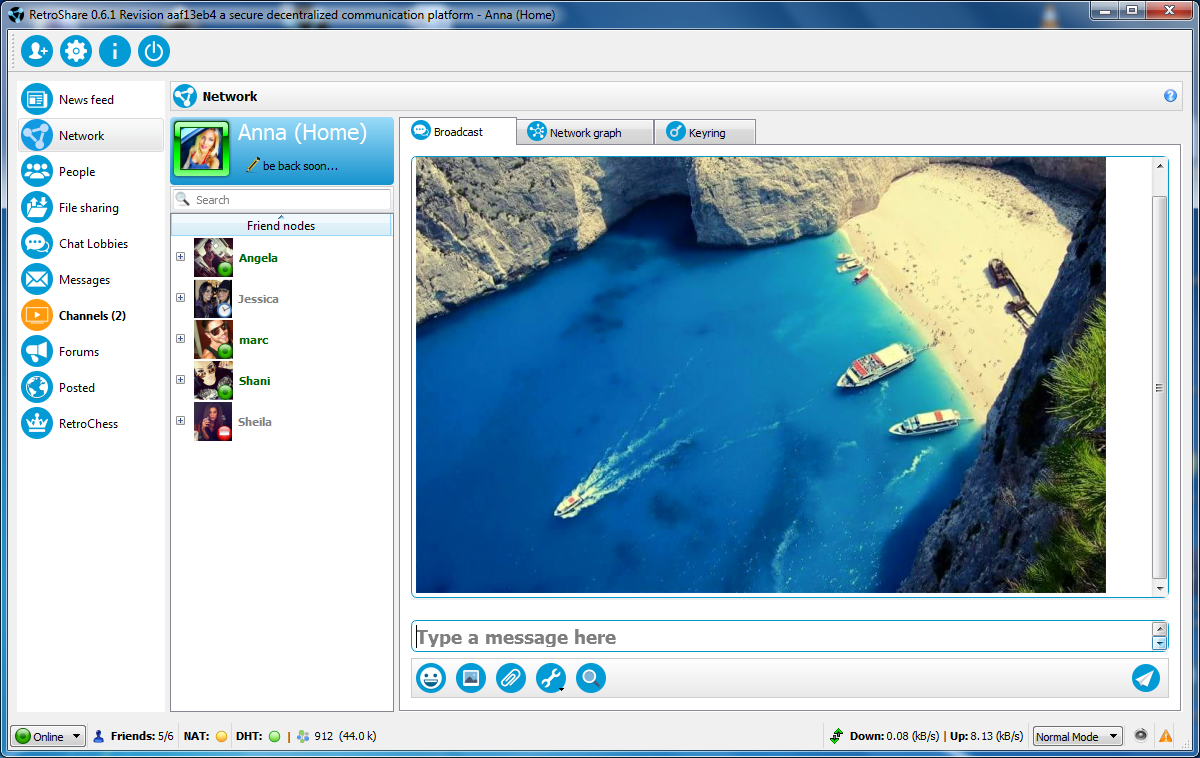
Retroshare establish encrypted connections between you and your friends to create a network of computers, and provides various distributed services on top of it: forums, channels, chat, mail... Retroshare is fully decentralized, and designed to provide maximum security and anonymity to its users beyond direct friends. Retroshare is entirely free and open-source software. It is available on Android, Linux, MacOS and Windows. There are no hidden costs, no ads and no terms of service.
The sample must be flat. Curved surfaces warp the light path, causing light to miss the receptor lens entirely. Phase 2: Instrument Calibration
ASTM D523 is a standard test method established by ASTM International. It measures the specular gloss of nonmetallic specimens.
When a surface is highly reflective, a 60-degree beam can cause detector saturation, leading to poor differentiation between varying high-gloss finishes. astm d523 pdf new
Defines that measurements correlate with visual observations of surface shine.
If you're unable to find a free version, purchasing the standard directly from ASTM or another authorized distributor is the most straightforward way to obtain the document. The sample must be flat
Results are reported as "X gloss units at Y-degree angle" (e.g., 85 GU at 60°). Applications of ASTM D523 ASTM D523 is used widely across various industries: Automotive: Clear coats and paint finishes (20° and 60°). Plastics: Molded plastic components. Coatings & Paints: Paints, varnishes, and lacquers. Printing & Packaging: Ink and film gloss. Conclusion
The PDF finally cracked open on the screen. ASTM D523 – Standard Test Method for Specular Gloss. It measures the specular gloss of nonmetallic specimens
How to properly document gloss units (GU) and the angle used. Key Geometries in ASTM D523
If your initial 60° measurement yields a result higher than 70 GU , the standard dictates switching to the 20° geometry. The 20° angle provides better resolution and differentiation between distinct high-gloss finishes that might otherwise look identical at 60°. 3. The 85° Geometry (Low Gloss / Matte) Target Range: Matte, flat, or low-gloss surfaces.
The standard "universal" angle for most specimens; used to determine if 20° or 85° is more appropriate.
When evaluating the updated file format through platforms like the ANSI Webstore , key revisions center on stricter machine calibrations, tighter repeatability parameters, and enhanced digital alignment standards. The Standard + Redline Option D523 Standard Test Method for Specular Gloss
Retroshare allows you to create a network of computers (called nodes). Every user has it's own node. The exact location (the IP-address) of nodes is only known to neighbor nodes. You invite a person to become a neighbor by exchanging your Retroshare certificates with that person.
Links between nodes are authenticated using strong asymmetric keys (PGP format) and encrypted using Perfect Forward Secrecy (OpenSSL implementation of TLS).
On top of the network mesh, Retroshare provides services to securely and anonymously exchange data with other nodes in the network beyond your own friends.
There is no catch. Retroshare is provided free of charge and does not generate any kind of money. It is the result of hard work that is only driven by the goals of providing a tool to evade censorship.
The only catch is that you will need to build your own network: in order to use Retroshare, you have to recruit friends and exchange certificates with them, or join an existing network of friends.
Retroshare was founded by drbob in 2006, as a platform to provide "secure communications and file sharing with friends". Since then other developers joined and steadily improved the software. Retroshare v0.6 is a new milestone which is based on experience from previous releases. A remarkable new component in Retroshare v0.6 is the generic data transportation system (internally named GXS) which abstracts the distribution of authenticated data throughout the network. On top of GXS, Retroshare provides distributed forums, movie channels with comments, and asynchronous messaging.